Diarrhea: causes, symptoms, when to worry and how it is treated
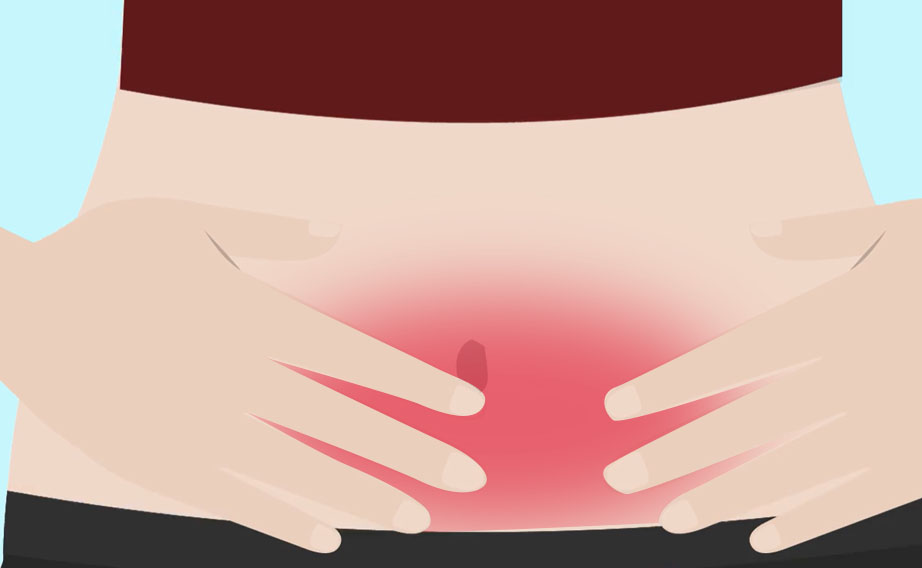
Diarrhea: why it happens, how to treat it by drinking the right way, when tests or antibiotics are needed and which signs need a doctor or emergency care.
From common infections to chronic illnesses, this section covers the diseases and medical conditions you need to understand. Each article explains what the condition is, how it develops, how it is diagnosed, and how it is treated — written by a physician, with references to current clinical evidence.
11 articles

Diarrhea: why it happens, how to treat it by drinking the right way, when tests or antibiotics are needed and which signs need a doctor or emergency care.

Fecal microbiota transplantation: what it is, how the donor is chosen, when it really works, its risks and the current rules in the US and the UK.

Vaginal microbiota transplantation from a donor (VMT): what it is, what the studies say, its risks and why today it is only done in clinical trials.

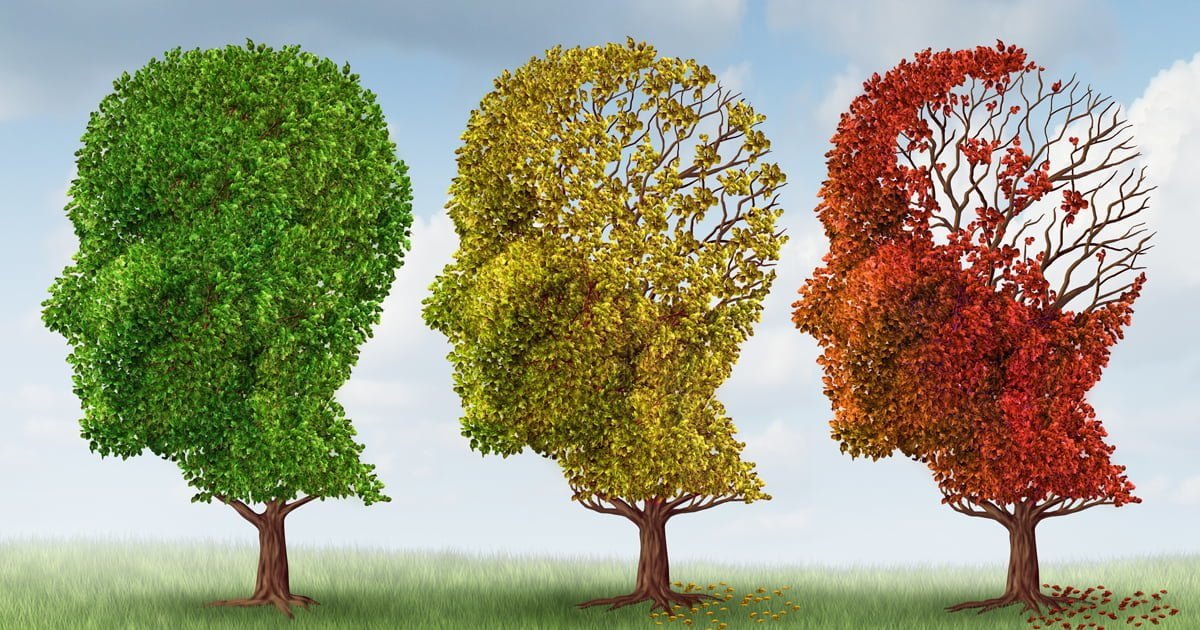
Alzheimer's disease: how to recognize it, how it is diagnosed today, which treatments exist, from classic medicines to the new antibodies, and prevention.
Bipolar disorder: how to recognize it, why it needs long-term treatment, which medicines and psychotherapies work, and the warnings on valproate.
Depression: how to recognize it, what causes it and which treatments really work, from psychotherapy and medication to esketamine and brain stimulation.

Recurrent vaginitis: why candida, bacterial vaginosis and trichomonas come back, which tests are needed and how they are really treated.

Acute cystitis: why it mainly affects women, causes, symptoms, urine tests, complicated vs uncomplicated forms, antibiotic options and prevention.
Urinary incontinence: how common it is, its types (urge, stress, mixed, functional, overflow), symptoms, diagnostic tests and available treatments.

Glomerulonephritis is inflammation of the kidney's filtering units (glomeruli). It ranges from acute forms in children that heal completely to silent chronic forms that can lead to kidney failure if not caught early.

Menopause is the permanent end of periods, confirmed after 12 months without menstruation (average age 51). Learn the stages, symptoms like hot flashes, and treatments from lifestyle changes to hormone therapy.