

Diarrhea: why it happens, how to treat it by drinking the right way, when tests or antibiotics are needed and which signs need a doctor or emergency care.
Diarrhea is one of the most common complaints: almost everyone gets it from time to time, and in most cases it clears up on its own within a few days. The real danger is the loss of water and salts, especially in young children and older people. Let's look at what causes it, how it is treated and which warning signs should not be underestimated.
What diarrhea is
Diarrhea means passing three or more loose or liquid stools a day, or more stools than is usual for that person. Going to the toilet often with formed stools is not diarrhea, and neither are the soft stools of breastfed babies.
To describe stool consistency, doctors use the Bristol scale, which classifies stools into seven types: types 5 to 7, from loose to liquid stools, correspond to diarrhea. In the past stool weight was used (more than 200 grams a day), but British guidelines have abandoned it because weight varies a great deal from person to person and with diet.
Diarrhea often comes with abdominal cramps, nausea and vomiting and, in infectious forms, fever.
Acute, persistent or chronic
How long it lasts changes the way the doctor reasons:
- acute: lasts less than 14 days and is almost always due to an infection;
- persistent: lasts from 14 days to 4 weeks;
- chronic: lasts more than 4 weeks, and leads the doctor to look for causes other than infections.
How common it is
According to the World Health Organization (WHO), there are about 1.7 billion episodes of diarrhea in children worldwide every year. Diarrhea is the third leading cause of death in children aged 1 month to 5 years: it kills about 443,800 children under 5 every year, mostly where safe drinking water and sanitation are lacking. In Western countries chronic diarrhea affects 4-5% of the population, with higher figures in older people.
Causes
Acute diarrhea
Acute diarrhea is almost always an intestinal infection, a gastroenteritis. The most common causes are:
- viruses: norovirus, at all ages, and rotavirus, especially in young children;
- bacteria: non-typhoidal salmonella, Campylobacter, Shigella and some strains of Escherichia coli, often transmitted through contaminated food or water;
- parasites: Giardia, Cryptosporidium and Entamoeba histolytica, more common after travel to at-risk countries;
- medicines: antibiotics are the most common cause of drug-induced diarrhea.
Chronic diarrhea
The most common causes of chronic diarrhea are irritable bowel syndrome, celiac disease, lactose malabsorption, inflammatory bowel diseases (Crohn's disease and ulcerative colitis), microscopic colitis, bile acid diarrhea, hyperthyroidism, pancreatic insufficiency and some medicines. In these cases the treatment is that of the cause: for example, a gluten-free diet in celiac disease.
How it happens: the three types of diarrhea
- watery diarrhea: liquid stools, without blood. It can be osmotic, when unabsorbed substances remain in the gut and draw in water (for example lactose in people who cannot digest it, or osmotic laxatives): it improves if the person stops eating. Or it can be secretory, when the gut actively secretes water and salts, as in infections with toxin-producing bacteria: it is abundant and continues even when fasting. In both cases the mucosa is only slightly damaged;
- inflammatory diarrhea: the mucosa is inflamed or damaged, and blood and mucus appear in the stools, often with fever and pain. It is typical of infections with invasive bacteria and of inflammatory bowel diseases;
- fatty diarrhea: pale, bulky, foul-smelling and greasy stools, a sign that fats are not being absorbed, as in celiac disease or pancreatic insufficiency.
Clostridioides difficile: diarrhea after antibiotics
Clostridioides difficile, formerly called Clostridium difficile, is a bacterium that produces toxins and causes diarrhea and colitis, sometimes severe. It takes advantage when antibiotics deplete the gut microbiota. The main risk factors are recent antibiotic use, a stay in hospital or in other healthcare facilities, and older age.
Diagnosis is made with a stool test, which looks for the toxins or the genes of the bacterium: a single sample is enough. Endoscopy is needed only in particular cases. Treatment is a targeted antibiotic, such as vancomycin or fidaxomicin, prescribed by the doctor.
In some patients the infection comes back. When recurrences keep happening despite antibiotic treatment, guidelines recommend fecal microbiota transplantation, which in randomized trials resolves most of these infections.
Complications
The main complication is dehydration, together with the loss of minerals such as potassium (hypokalemia). Some infections can have specific complications:
- hemolytic uremic syndrome, which damages the blood and kidneys, after infections with Shiga toxin-producing Escherichia coli, especially in children;
- Guillain-Barré syndrome, a disease of the nerves that can appear weeks after a Campylobacter jejuni infection;
- severe colitis due to Clostridioides difficile, which in the worst cases leads to dilation of the colon (toxic megacolon) and shock;
- sepsis, when bacteria pass into the blood;
- malnutrition, especially in children in poor countries.
When to call your doctor or your local emergency number, or go to the emergency department
Call your family doctor or pediatrician if:
- there is blood or mucus in the stools;
- you have a high fever or severe abdominal pain;
- the diarrhea does not improve after a few days, lasts more than two weeks or comes with unintended weight loss;
- it started during or after a course of antibiotics, or after a hospital stay;
- the person is an infant, a frail older person, someone with a weakened immune system or someone who has come back from a trip to an at-risk country.
Call your local emergency number (112 in the EU, 911 in the US, 999 in the UK) or go to the emergency department if signs of severe dehydration appear:
- marked drowsiness, confusion or difficulty waking up;
- inability to drink, or vomiting that makes it impossible to keep fluids down;
- sunken eyes, or skin that, when pinched, goes back into place very slowly;
- in an infant, crying without tears, very few wet diapers or a very listless appearance;
- high fever with chills, rapid breathing or low blood pressure, which can be signs of sepsis.
Tests: when they are needed
In acute diarrhea without warning signs no tests are usually needed. The doctor starts from the medical history, that is, from questions about food, travel, medicines and hospital stays, and from the physical examination, to assess dehydration.
Stool tests are needed when there is blood, high fever, a severe or prolonged form, when the person is immunocompromised or when an outbreak is suspected. Today molecular tests, which look for many germs at the same time, are often preferred to traditional stool culture. Parasites are looked for with a stool examination for parasites or with specific tests, not with a culture. If the diarrhea follows a course of antibiotics or a hospital stay, a test for Clostridioides difficile is done.
In chronic diarrhea the initial tests, which the family doctor can already order, are blood tests (complete blood count, thyroid function, celiac antibodies) and stool tests, including calprotectin, which measures intestinal inflammation. Only afterwards, if needed, can the specialist, at a gastroenterology visit, order a colonoscopy with biopsies or tests for bile acid diarrhea.
Treatment
First of all: drinking the right way
The most important treatment is replacing the water and salts that have been lost, because during diarrhea the need for fluids increases. For mild or moderate dehydration, at any age, reduced-osmolarity oral rehydration solutions are recommended: they can be bought ready-made at the pharmacy and contain sugar and salts in the proportions studied by the WHO. Severe dehydration needs intravenous fluids in hospital.
Breast milk should never be stopped. As soon as possible, the person goes back to the usual diet for their age: fasting does not help recovery.
Medicines against diarrhea
Loperamide slows down the gut. Guidelines allow it in adults with watery diarrhea and normal immune defenses, but advise against it under 18 years of age and in case of blood in the stools or fever, because of the risk of toxic megacolon. Racecadotril reduces intestinal secretion: in children under 5, studies show a small benefit. They relieve the symptoms but do not replace rehydration: ask your doctor or pharmacist before using them. In the United States and in the United Kingdom loperamide is sold without a prescription; racecadotril is not approved by the FDA in the United States.
Antibiotics: only when needed
Most cases of acute diarrhea should not be treated with antibiotics, because they are viral or get better on their own. Guidelines reserve them for specific cases, decided by the doctor: infants under 3 months with a suspected bacterial infection, dysentery with fever, immunocompromised people with severe forms, travelers with high fever or signs of sepsis, or after a stool test has identified a germ that needs treatment. In infections with Shiga toxin-producing Escherichia coli antibiotics should be avoided, because they can increase the risk of hemolytic uremic syndrome.
To patients who ask me for an antibiotic "just to be safe", I explain that in ordinary diarrhea it only wipes out other good bacteria and increases the risk of Clostridioides difficile and of resistance. Never use leftover antibiotics you have at home.
Probiotics: what the evidence says
A 2020 Cochrane review of 82 studies concluded that in acute infectious diarrhea probiotics probably make little or no difference to the number of people still ill after 48 hours. Things go better for the prevention of antibiotic-associated diarrhea: in children some strains reduce it moderately, and in adults on antibiotics they may slightly reduce the risk of Clostridioides difficile (one case is avoided for every 65 people treated). The effect depends on the strain, and people with very weak immune defenses should avoid probiotics unless a doctor advises them.
How to prevent it
- Wash your hands with soap and water after using the toilet, after changing a diaper, before preparing food and before eating.
- Cook meat, eggs and seafood thoroughly, and keep raw foods separate from cooked ones.
- Vaccinate infants against rotavirus, as the WHO recommends; in the United States and in the United Kingdom the vaccine is part of the routine childhood vaccination schedule.
- When traveling to countries without safe drinking water, drink sealed bottled water or boiled water; in the United States, where public water systems are regulated by the Safe Drinking Water Act, and in Europe, tap water is monitored.
Frequently asked questions
Can I make the solution at home with water, salt and sugar?
It is better not to: homemade recipes easily get the proportions wrong, and too much sugar can make diarrhea worse. Ready-made rehydration solutions from the pharmacy are safer, especially for children.
Should I fast or eat only plain, bland food?
No: fasting does not help. Breastfeeding continues and you go back soon to your usual meals, small ones if you feel nauseous.
Is diarrhea contagious?
Infectious diarrhea is, especially when caused by norovirus. Washing your hands well and not preparing food for others reduces transmission; people who work in healthcare, in food service or in childcare follow the rules of their sector before going back to work.
References
- World Health Organization. Diarrhoeal disease. Fact sheet, 7 March 2024. Accessed 23 October 2026. who.int
- Shane AL, Mody RK, Crump JA, Tarr PI, Steiner TS, Kotloff K, et al. 2017 Infectious Diseases Society of America Clinical Practice Guidelines for the Diagnosis and Management of Infectious Diarrhea. Clin Infect Dis. 2017;65(12):e45-e80. doi:10.1093/cid/cix669. PubMed
- Meisenheimer ES, Epstein C, Thiel D. Acute Diarrhea in Adults. Am Fam Physician. 2022;106(1):72-80. PubMed
- Arasaradnam RP, Brown S, Forbes A, Fox MR, Hungin P, Kelman L, et al. Guidelines for the investigation of chronic diarrhoea in adults: British Society of Gastroenterology, 3rd edition. Gut. 2018;67(8):1380-1399. doi:10.1136/gutjnl-2017-315909. PubMed
- Guarino A, Ashkenazi S, Gendrel D, Lo Vecchio A, Shamir R, Szajewska H. European Society for Pediatric Gastroenterology, Hepatology, and Nutrition/European Society for Pediatric Infectious Diseases evidence-based guidelines for the management of acute gastroenteritis in children in Europe: update 2014. J Pediatr Gastroenterol Nutr. 2014;59(1):132-152. doi:10.1097/MPG.0000000000000375. PubMed
- McDonald LC, Gerding DN, Johnson S, Bakken JS, Carroll KC, Coffin SE, et al. Clinical Practice Guidelines for Clostridium difficile Infection in Adults and Children: 2017 Update by the Infectious Diseases Society of America (IDSA) and Society for Healthcare Epidemiology of America (SHEA). Clin Infect Dis. 2018;66(7):e1-e48. doi:10.1093/cid/cix1085. PubMed
- Lawson PA, Citron DM, Tyrrell KL, Finegold SM. Reclassification of Clostridium difficile as Clostridioides difficile (Hall and O'Toole 1935) Prévot 1938. Anaerobe. 2016;40:95-99. doi:10.1016/j.anaerobe.2016.06.008. PubMed
- Minkoff NZ, Aslam S, Medina M, Tanner-Smith EE, Zackular JP, Acra S, et al. Fecal microbiota transplantation for the treatment of recurrent Clostridioides difficile (Clostridium difficile). Cochrane Database Syst Rev. 2023;4(4):CD013871. doi:10.1002/14651858.CD013871.pub2. PubMed
- Shahrizaila N, Lehmann HC, Kuwabara S. Guillain-Barré syndrome. Lancet. 2021;397(10280):1214-1228. doi:10.1016/S0140-6736(21)00517-1. PubMed
- Liang Y, Zhang L, Zeng L, Gordon M, Wen J. Racecadotril for acute diarrhoea in children. Cochrane Database Syst Rev. 2019;12(12):CD009359. doi:10.1002/14651858.CD009359.pub2. PubMed
- Collinson S, Deans A, Padua-Zamora A, Gregorio GV, Li C, Dans LF, Allen SJ. Probiotics for treating acute infectious diarrhoea. Cochrane Database Syst Rev. 2020;12(12):CD003048. doi:10.1002/14651858.CD003048.pub4. PubMed
- Guo Q, Goldenberg JZ, Humphrey C, El Dib R, Johnston BC. Probiotics for the prevention of pediatric antibiotic-associated diarrhea. Cochrane Database Syst Rev. 2019;4(4):CD004827. doi:10.1002/14651858.CD004827.pub5. PubMed
- Esmaeilinezhad Z, Ghosh NR, Walsh CM, Steen JP, Burgman AM, Mertz D, Johnston BC, et al. Probiotics for the prevention of Clostridioides difficile-associated diarrhea in adults and children. Cochrane Database Syst Rev. 2025;9(9):CD006095. doi:10.1002/14651858.CD006095.pub5. PubMed
- Szajewska H, Berni Canani R, Domellöf M, Guarino A, Hojsak I, Indrio F, et al. Probiotics for the Management of Pediatric Gastrointestinal Disorders: Position Paper of the ESPGHAN Special Interest Group on Gut Microbiota and Modifications. J Pediatr Gastroenterol Nutr. 2023;76(2):232-247. doi:10.1097/MPG.0000000000003633. PubMed
- European Commission. 112 – the EU's emergency phone number. Accessed 23 October 2026. ec.europa.eu
- National Institute of Mental Health. Help for Mental Illnesses ("In life-threatening situations, call 911"). Last reviewed April 2026. Accessed 23 October 2026. nimh.nih.gov
- NHS. When to call 999. Page last reviewed 3 February 2023. Accessed 23 October 2026. nhs.uk
- U.S. Food and Drug Administration. Drugs@FDA (openFDA): loperamide hydrochloride products with marketing status "Over-the-counter"; no application found for racecadotril. Queried on 23 October 2026. api.fda.gov
- NHS. About loperamide ("You can buy loperamide from pharmacies and shops"). Page last reviewed 10 April 2024. Accessed 23 October 2026. nhs.uk
- Centers for Disease Control and Prevention. Rotavirus Vaccine. 19 July 2024. Accessed 23 October 2026. cdc.gov
- NHS. Rotavirus vaccine. Page last reviewed 13 December 2023. Accessed 23 October 2026. nhs.uk
- U.S. Environmental Protection Agency. Safe Drinking Water Act (SDWA). Accessed 23 October 2026. epa.gov
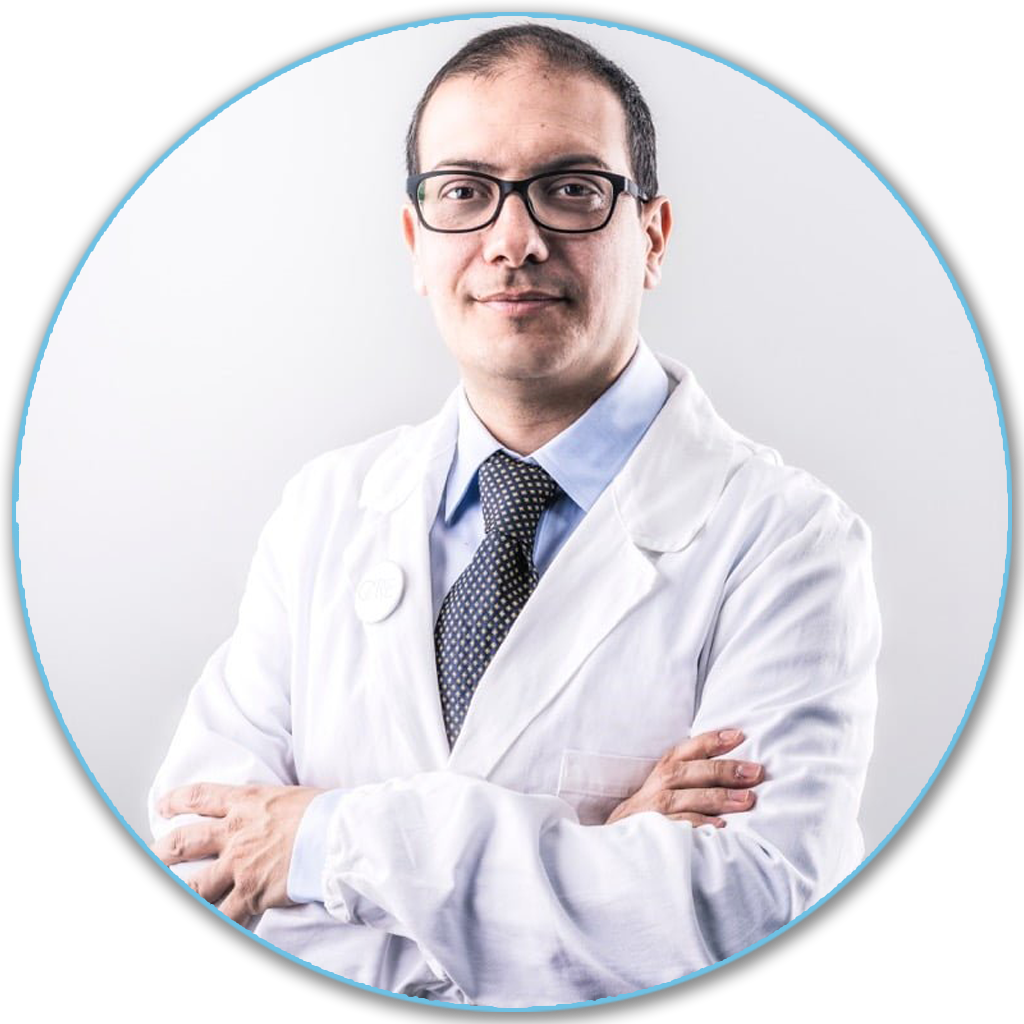
Dr. Marco De Nardin
Medical Doctor, Specialist in Anesthesiology, Intensive Care and Pain Management
Dr. Marco De Nardin is a physician specializing in Anesthesiology, Intensive Care, and Pain Management. He completed his medical degree and specialty training in Italy, where he continues to practice at his private clinics in Mestre (Venice) and Milan. With extensive clinical experience spanning operating rooms, intensive care units, and pain management clinics, Dr. De Nardin brings a unique perspective that bridges acute-care medicine with chronic disease management. His clinical practice focuses on regional anesthesia, ozone therapy, intravenous infusion therapy, and integrative approaches to pain treatment. He is the founder of Med4Care, a medical information platform delivering evidence-based, physician-reviewed health content. Every article published under his name reflects his commitment to making complex medical topics accessible to patients without compromising scientific rigor.


