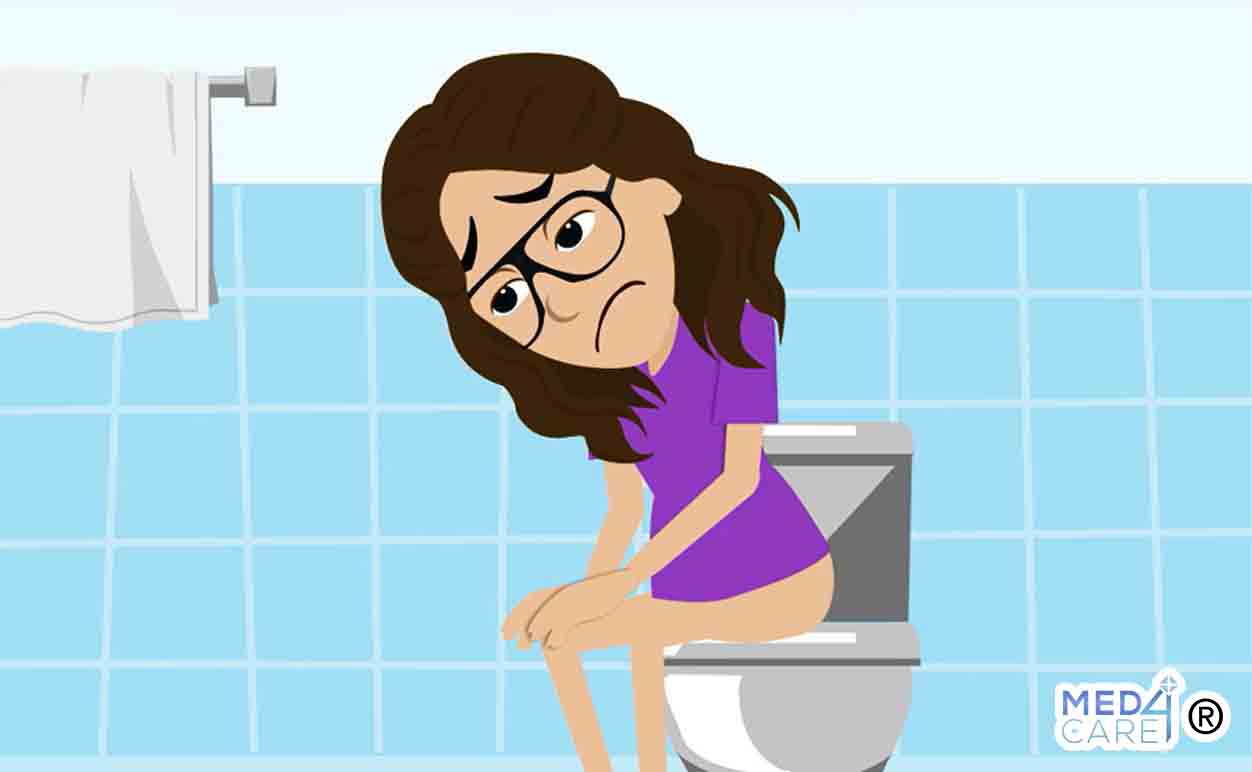
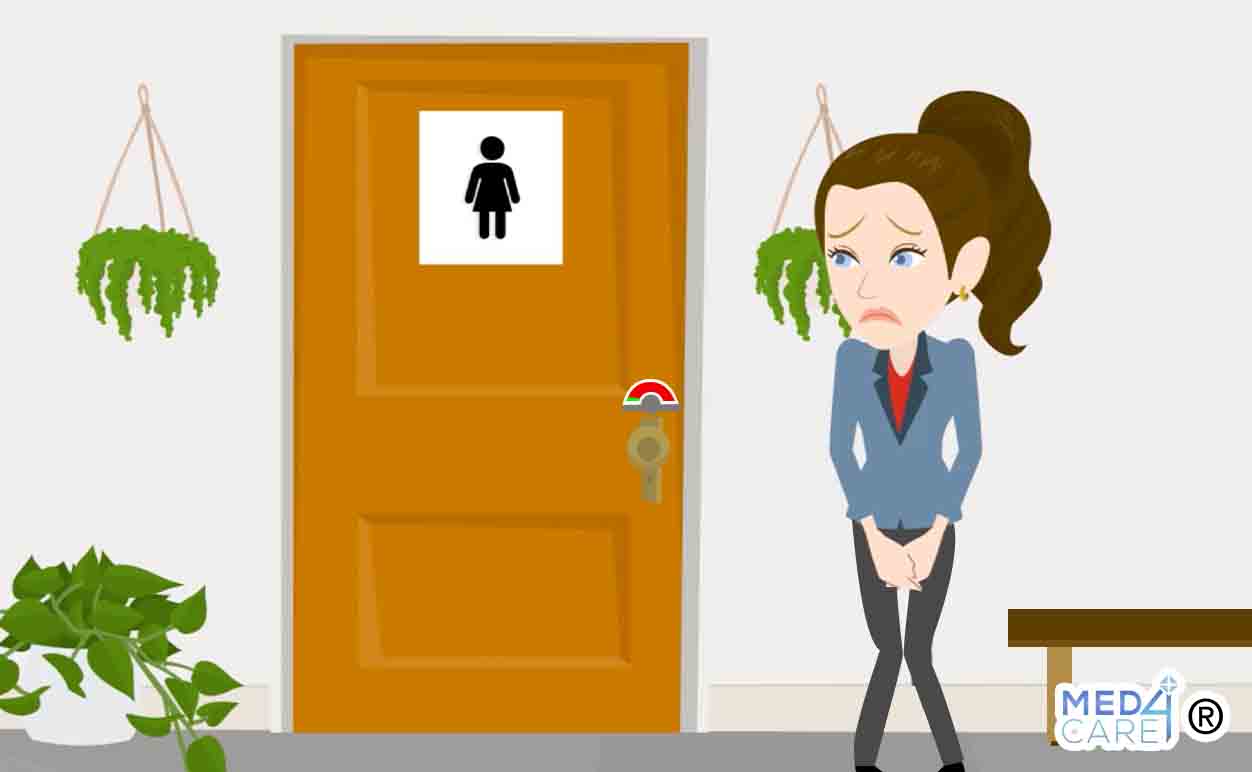
Urinary incontinence: how common it is, its types (urge, stress, mixed, functional, overflow), symptoms, diagnostic tests and available treatments.
Urinary incontinence is a clinical condition in which urine is lost involuntarily from the urethra, and it mainly affects older adults.
Urinary incontinence is a rather disabling health problem for the people who have it, since it negatively affects their daily activities. [1]
How common is urinary incontinence? Epidemiology
Urinary incontinence is a predominantly female disease, with a prevalence in women about twice that in men, partly due to transient reasons related to pregnancy and childbirth.
In the elderly population, the exact prevalence of incontinence is not easy to estimate, because older people often do not tell their caregiver about the problem.
More than half of older adults living in nursing homes and assisted residential healthcare facilities are thought to have incontinence, as are a large proportion of people receiving home care.
In men, one of the causes most often associated with the onset of urinary incontinence is prostate surgery, performed for benign hyperplastic processes or for carcinoma. [2],[3]
Etiology and classification of urinary incontinence
There are several types of urinary incontinence, which differ from one another according to the etiological mechanism from which they originate.
For this reason, the most complete classification of urinary incontinence includes the following types:
- Urgency urinary incontinence, or urge incontinence, is caused by overactivity of the detrusor muscle of the bladder, which expels urine into the proximal opening of the urethra. It is often accompanied by a sense of urinary urgency.
- Stress urinary incontinence is the involuntary leakage of urine following an effort that increases abdominal pressure, such as a cough or a sneeze. This type of incontinence mainly affects young women who have just given birth or who are expecting to give birth.
- Mixed urinary incontinence results from the combination of urgency urinary incontinence and stress urinary incontinence.
- Functional urinary incontinence occurs when a person has no organic abnormalities of the urinary tract but cannot or will not reach the toilet. This condition occurs mostly in people with alcoholism and in individuals with psychiatric disorders.
- Overflow urinary incontinence, also called regurgitation incontinence, occurs when there is an obstruction at the level of the bladder or when the detrusor muscle of the bladder is hypodynamic and does not contract enough. In men, this type of incontinence is often caused by Benign Prostatic Hyperplasia or by tumors of the prostate or bladder.
In most cases, therefore, the incontinent bladder is overstimulated by infectious or irritating substances, or does not contract properly to expel urine, resulting in its involuntary leakage.
In other cases, urine leakage may result from a weak or overly relaxed pelvic floor and from a sudden increase in intra-abdominal pressure which, by compressing the bladder, causes urine to be released. [1],[2]
Signs and symptoms associated with urinary incontinence
Very often, urinary incontinence is the end result of a clinical condition that may be heralded by lower urinary tract symptoms, also known as LUTS (Lower Urinary Tract Symptoms).
The LUTS that may occur together with urinary incontinence are:
- Pollakiuria, which consists of passing urine more often during the day;
- Nocturia, with involuntary passage of urine during nighttime rest;
- Urinary urgency, in which a compelling and sudden desire to urinate is felt;
- Hesitancy, with a delay in starting urination;
- Sensation of incomplete bladder emptying;
- Post-micturition dribble, in which the person passes urine in drops after urinating. [1],[3]
Initial assessment of urinary incontinence
The initial assessment of suspected or confirmed urinary incontinence must include a complete urological examination, with the patient's medical history and physical examination.
Medical history
The medical history is aimed first of all at investigating the patient's general condition, asking about any hereditary or familial diseases and about the list of any medications being taken as part of ongoing treatments.
The questions asked by the doctor are intended to investigate the precise nature of the urinary incontinence, assessing its type, the severity of the associated symptoms and its duration.

The patient should take care to inform the urologist of any diseases of the respiratory tract or disorders of the cardiovascular system.
In fact, many respiratory conditions can present with bouts of coughing that cause an increase in intra-abdominal pressure, while cardiovascular diseases can lead to fluid overload and to increased diuresis.
Finally, patients should also be asked about the abuse of substances that can act as bladder irritants, such as caffeine, alcohol or diuretics.
Physical examination
In the physical examination, the doctor inspects and palpates:
- The neck and chest region, looking for signs of jugular venous distension or edema.
- The lung fields, assessing for crackles or the onset of coughing.
- The abdominal region, for past surgical procedures that have left scars.
- The exit points of the peripheral and cranial nerves, assessing sensory and reflex function.
- The lower abdomen and genital region, checking for a distended bladder (bladder globe), pelvic organ prolapse, fecaloma or prostatic hypertrophy. [1],[2],[4]
Screening tests for urinary incontinence
In men, since prostatic hyperplasia often causes a mechanical obstruction of the bladder, preventing its physiological emptying phase, a screening test has been developed to classify prostate symptoms.
This test, called the IPSS (International Prostate Symptom Score), examines seven aspects of urination, possibly correlating them with the presence of a significant hypertrophic state of the prostate gland.
A specific screening test for detecting post-micturition dribble, on the other hand, was proposed in 2019 and is known as the HPMDQ (Hallym Post-Micturition Dribble Questionnaire).
Through five questions, this test examines the macroscopic aspects and the psychological impact caused by terminal dribbling of urine.
Diagnosis of urinary incontinence
The diagnosis of urinary incontinence is based on several elements:
Physical, chemical and morphological urinalysis
Physical, chemical and morphological urinalysis is a first-level test that is routinely performed in clinical practice, even when no primary abnormalities of the urinary tract are suspected.
This test measures the concentration and physical values of various analytes that can be found in urine, such as the presence of glucose, blood in the urine, ketones, etc.
Cystoscopy
Cystoscopy is a diagnostic and operative procedure that involves inserting a thin, flexible tube fitted with a camera (cystoscope) into the urethra, all the way to the bladder.
This technique is used to explore the walls of the urethra and bladder and take samples from them, when symptoms of urinary disease are present.
Voiding cystourethrography
Voiding cystourethrography is a radiological technique that studies the morphology and function of the bladder and urethra after administration of a contrast medium introduced by catheterization of the urethra.
Voiding cystourethrography is particularly useful in evaluating suspected vesicoureteral reflux and can be considered an important test in the study of incontinence.
Urodynamic testing
Urodynamic testing is a set of tests that study the muscular and nervous function of the bladder, also assessing the characteristics of urinary flow, such as urethral pressure and post-void residual. [1],[2]
Management and treatment of urinary incontinence
In addition to adopting a healthy lifestyle, trying to lose any excess weight, and also abstaining from smoking and alcohol, there are treatments that can be used for the specific condition of incontinence:
Bulbar urethral massage
Bulbar urethral massage should be performed after urination and involves self-massage of the scrotum in the direction of the bulbar urethra. The aim is to help the residual urine flow out toward the external urethral sphincter.
Pelvic floor muscle strengthening exercises
Strengthening the pelvic floor muscles, such as the bulbocavernosus muscle and the ischiocavernosus muscle, can be done using various techniques.
The Kegel technique is one of the best known and involves the sequential contraction and relaxation of the pelvic floor muscles, in order to increase the expulsion force of the residual amount of urine trapped in the urethra.
Drug therapy
Most often, antimuscarinic drugs and alpha-adrenergic antagonists are given to counteract incontinence pharmacologically.
Chronic treatment with phosphodiesterase 5 inhibitor drugs can also be beneficial when combined with pelvic floor muscle exercises. [1],[2]
Conclusions
Urinary incontinence is a very common clinical condition whose actual frequency is often not well quantified, especially in older adults.
It is important to evaluate incontinent patients and give appropriate treatments in a timely manner, in order to avoid certain urological complications, such as infections and kidney dysfunction.
References: sources and notes
- [1] Schena F, Selvaggi F, Gesualdo L, et al. Malattie dei reni e delle vie urinarie. Milano: McGraw-Hill; 2008.
- [2] Tran LN, Puckett Y. Urinary Incontinence. In: StatPearls [Internet]. Treasure Island (FL): StatPearls Publishing;
- [3] Buckley BS, Lapitan MC. Epidemiology Committee of the Fourth International Consultation on Incontinence, Paris, 2008. Prevalence of urinary incontinence in men, women, and children–current evidence: findings of the Fourth International Consultation on Incontinence. 2010 Aug;76(2):265-70.
- [4] Fradà G, Fradà G. Semeiotica medica nell’adulto e nell’anziano. Padova: Piccin; 2018.

Dr. Marco De Nardin
Medical Doctor, Specialist in Anesthesiology, Intensive Care and Pain Management
Dr. Marco De Nardin is a physician specializing in Anesthesiology, Intensive Care, and Pain Management. He completed his medical degree and specialty training in Italy, where he continues to practice at his private clinics in Mestre (Venice) and Milan. With extensive clinical experience spanning operating rooms, intensive care units, and pain management clinics, Dr. De Nardin brings a unique perspective that bridges acute-care medicine with chronic disease management. His clinical practice focuses on regional anesthesia, ozone therapy, intravenous infusion therapy, and integrative approaches to pain treatment. He is the founder of Med4Care, a medical information platform delivering evidence-based, physician-reviewed health content. Every article published under his name reflects his commitment to making complex medical topics accessible to patients without compromising scientific rigor.