
Thyroidectomy: what it is, when it is needed, how the operation to remove the thyroid is done, recovery, risks and treatment after surgery.
Thyroidectomy is the surgical operation that removes all or part of the thyroid, the butterfly-shaped gland at the base of the neck that produces the hormones of metabolism. It is one of the most common operations in neck surgery and, in the vast majority of cases, patients go home within a few days or even on the same day.
What is thyroidectomy
We speak of total thyroidectomy when the whole gland is removed, and of lobectomy (or hemithyroidectomy) when only one half, right or left, is removed. The choice depends on the disease: a lesion confined to one lobe may require only a lobectomy, while a large goiter or some tumors require a total thyroidectomy, sometimes with removal of the lymph nodes of the neck (cervical lymph node dissection). After a total thyroidectomy the body no longer produces thyroid hormones, which is why lifelong replacement therapy is needed.
Thyroid surgery: a little history
For a long time thyroid surgery was an extremely high-risk operation, because of bleeding and infection. The turning point came at the end of the nineteenth century with the Swiss surgeon Theodor Kocher, who won the 1909 Nobel Prize in Medicine for his work on the physiology, pathology and surgery of the thyroid. Since then the technique has been refined until it became a safe, standardized operation.
When is thyroid surgery necessary?
Several conditions can make a thyroidectomy necessary; here are some of them:
- Suspicious nodules or thyroid cancer, when ultrasound and fine-needle aspiration show that they need to be removed.
- Large goiter, that is, an enlarged thyroid that compresses the trachea or esophagus, or extends behind the breastbone.
- Hyperthyroidism that does not respond to medication, or in which surgery is the best choice, as in some forms of Graves' disease.
- Cosmetic reasons or discomfort when a benign goiter is bothersome, after an assessment with the endocrinologist and the surgeon.
How the thyroidectomy is performed
Preparing for the operation
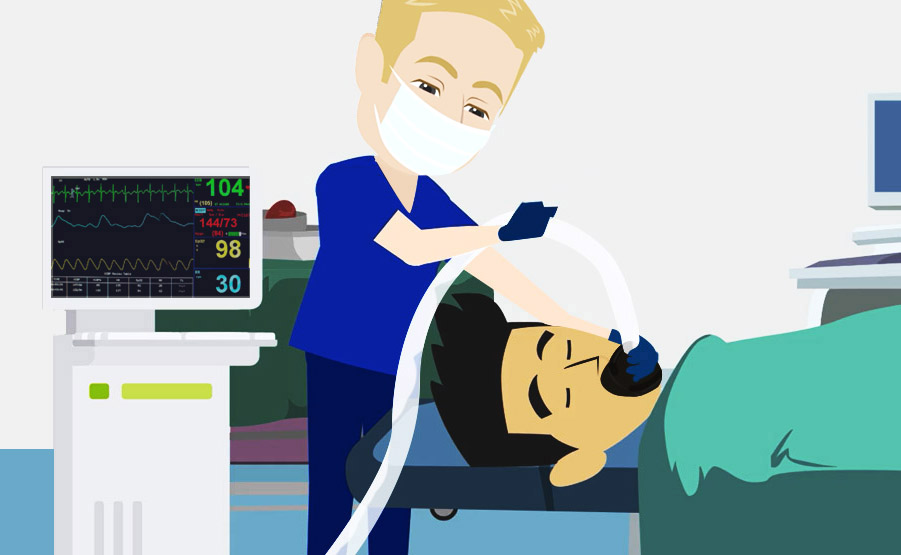
Before the operation, thyroid tests are checked, often the function of the vocal cords too, and, at the pre-anesthesia assessment, the patient's general condition and airway.
Anesthesia for thyroidectomy
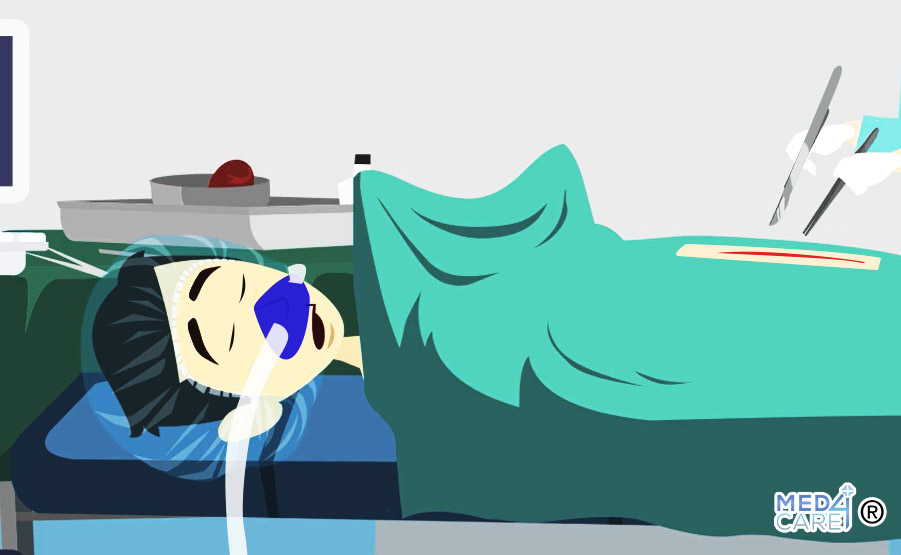
Thyroidectomy is usually performed under general anesthesia, with a tube in the trachea that protects breathing throughout the operation. In selected cases, for simple operations and small glands, surgery can be performed under local anesthesia with light sedation: we discuss this in the recent research at the end of the article.
The surgical removal of the thyroid
The surgeon makes a horizontal incision a few centimeters long at the base of the neck, ideally in a natural skin fold so that the scar will not be visible later; separates the muscles and removes the gland, taking care of two structures very close to it: the recurrent laryngeal nerves, which move the vocal cords, and the parathyroid glands, four small glands that regulate calcium in the blood. Many centers use electrical monitoring of the laryngeal nerve during the operation to avoid damaging it. The operation usually lasts one to three hours, depending on the size of the gland, the technique used and the surgeon's experience.
Risks and complications
Low calcium (hypoparathyroidism)
This is the most common complication after a total thyroidectomy. The reason is that the parathyroid glands, even when preserved, can suffer from the operation and work less for a while. Since their role is to raise calcium in the blood, if they are disturbed during the operation and work less, blood calcium falls. It shows up as tingling in the lips and fingers or cramps. In most cases it is temporary and is treated with calcium and vitamin D; it rarely becomes permanent. The risk is higher with total thyroidectomy than with lobectomy, in women, in cancer and when the lymph nodes of the neck are also removed. A low parathyroid hormone (PTH) level measured right after the operation helps identify who is most at risk of developing hypocalcemia, and therefore to prevent it.
Is there a risk to the voice after thyroidectomy?
Even a partial injury, such as stretching or rubbing, of a recurrent laryngeal nerve can cause a hoarse or weak voice, usually temporarily. An injury to both nerves, which is very rare, can cause breathing difficulties.
Bleeding after thyroid surgery
One of the most dangerous complications after thyroid surgery is bleeding in the operated area. Because this is the neck, any bleeding in this region is dangerous, since the blood that collects can compress the airway and cause suffocation: this is why the patient is closely monitored after the operation.
What happens after a thyroidectomy?
Pain is usually mild and is controlled with common painkillers. Patients start eating on their own the same evening (if the operation was done early in the morning) or the following day.
After a total thyroidectomy thyroid function is completely gone: no other structure in the body produces thyroid hormones, so they must be replaced with synthetic hormones taken once a day for the rest of one's life. Treatment usually starts with levothyroxine. The dose is not the same for everyone: it is adjusted according to blood tests and to the different effect it has on each person. Every patient learns to know and recognize the symptoms of too much or too little hormone and adjusts accordingly, gradually becoming an expert in their own chronic condition. Those who follow the treatment well live normally, without the symptoms caused by a shortage of the hormone, which are called hypothyroidism.
How long is recovery after thyroidectomy?
Here too, the length of recovery after the operation varies widely, depending on the surgical situation, any particular features of the individual operation and each person's ability to recover. In a standard situation without complications, full recovery usually takes one to two weeks. When patients ask me when they can go back to work, I tell them that for an office job one or two weeks are usually enough.
Recent research on thyroidectomy
- Local or general anesthesia? The first meta-analysis comparing the two techniques in thyroidectomy: operating time, complications, hospital stay and costs. Read the article.
Frequently asked questions
Do people tend to gain weight after thyroidectomy?
If the thyroid hormone therapy is well dosed, metabolism stays normal. Any change in weight should be discussed with the endocrinologist, who helps adjust the dose by interpreting thyroid tests.
Is the thyroidectomy scar very visible?
The incision is small and, when possible, it is hidden in a fold of the neck. Over time it usually becomes barely visible.
How long is the hospital stay for thyroid surgery?
Often one or two days; in selected centers and for simple operations, same-day discharge is possible.
After thyroid surgery, will I have to take medication for life?
After a total thyroidectomy, yes: thyroid hormone every day, or in any case regularly. After a lobectomy, that is, the partial operation, often not, because the remaining lobe may be enough and regulates itself by producing a slightly larger amount to take over the function of the part removed.
Does the voice change after thyroid surgery?
In the first few days it may be a little hoarse. This is not necessarily due to irritation or partial injury of the recurrent nerve; it can simply be caused by inflammation of the larynx from the tracheal tube used during general anesthesia. Permanent nerve injury is rare.
References
- Orloff LA, et al. American Thyroid Association Statement on Postoperative Hypoparathyroidism: Diagnosis, Prevention, and Management in Adults. Thyroid. 2018. PubMed
- Ning K, et al. Risk factors of transient and permanent hypoparathyroidism after thyroidectomy: a systematic review and meta-analysis. International Journal of Surgery. 2024. PubMed
- Chen AY, et al. American Thyroid Association statement on optimal surgical management of goiter. Thyroid. 2014. PubMed
- Terris DJ, et al. American Thyroid Association statement on outpatient thyroidectomy. Thyroid. 2013. PubMed
- Hamzah KA, et al. Local infiltration anesthesia (anterior field block) vs. general anesthesia for thyroidectomy: a GRADE-assessed systematic review and meta-analysis. Frontiers in Surgery. 2026. PubMed

Dr. Marco De Nardin
Medical Doctor, Specialist in Anesthesiology, Intensive Care and Pain Management
Dr. Marco De Nardin is a physician specializing in Anesthesiology, Intensive Care, and Pain Management. He completed his medical degree and specialty training in Italy, where he continues to practice at his private clinics in Mestre (Venice) and Milan. With extensive clinical experience spanning operating rooms, intensive care units, and pain management clinics, Dr. De Nardin brings a unique perspective that bridges acute-care medicine with chronic disease management. His clinical practice focuses on regional anesthesia, ozone therapy, intravenous infusion therapy, and integrative approaches to pain treatment. He is the founder of Med4Care, a medical information platform delivering evidence-based, physician-reviewed health content. Every article published under his name reflects his commitment to making complex medical topics accessible to patients without compromising scientific rigor.