
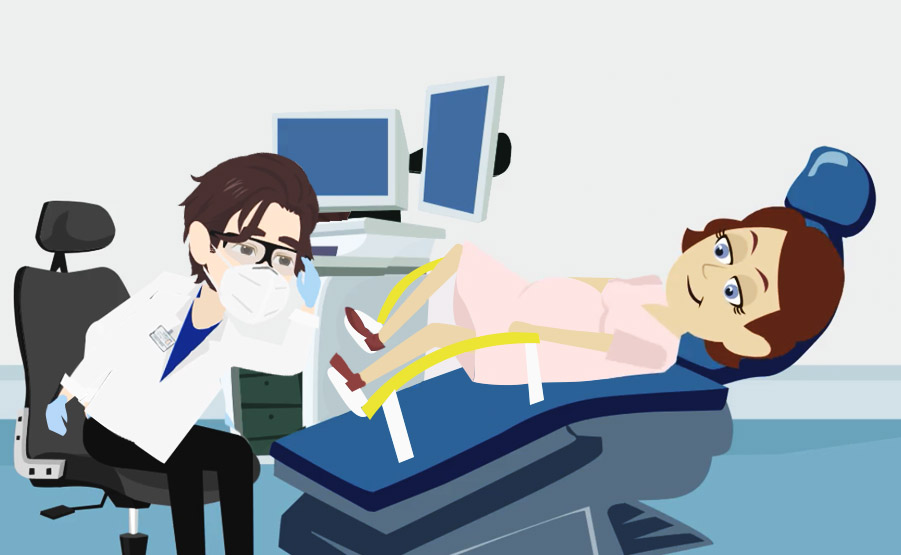
What a gynecological exam involves: medical history, external and internal inspection, diagnostic tests, symptoms that call for it, and how to prepare.
The gynecological exam: what it involves
What a gynecological exam is
The gynecological exam is a professional assessment performed by a physician specializing in gynecology, dedicated to checking the health of the female reproductive system in terms of structure and function.
The gynecologist is responsible for assessing and treating the presence or absence of symptoms that could point to acute or chronic diseases of the female genital system. The gynecologist orders the necessary tests and recommends the appropriate treatments.
What it is for
It is necessary for the prevention, diagnosis and treatment of diseases affecting the female genital system.
Even in the absence of symptoms, all women are advised to have a gynecological checkup once a year, because prevention is an important factor in the early diagnosis of female cancers.
How is a gynecological exam carried out?
The exam begins with a conversation and a detailed medical history to gather the necessary information.
First, the gynecologist asks about the reason for the visit and the type of symptoms the patient is experiencing:
- What the symptoms of the problem are
- When they started, whether they are recurrent or whether this is the first time they have appeared
- Whether the patient has pelvic pain
- Changes in the menstrual cycle
- Unusual vaginal discharge
After gathering information about the symptoms, the gynecologist reconstructs the patient’s clinical history, with further questions concerning:
- Lifestyle
- Habits
- Age at first menstrual period
- Pregnancies
- Sexual activity
- Gynecological diseases in the family
- Surgeries
- Any previous gynecological conditions
You are advised to bring with you all the reports of previous visits, diagnostic tests and laboratory analyses, so that the specialist has all possible information available.
Physical examination
Once the information has been gathered, the exam proceeds with a physical examination, which takes place in two phases:
- External inspection of the genitals
- Internal inspection with a speculum and bimanual (abdominopelvic) palpation
During the external inspection, the doctor will assess parameters such as:
- Development of the vulvar anatomy
- Symmetry
- Distribution of hair follicles
- Swelling
- Bruises
- Erythema
- Skin rashes
- Lesions
- Growths
- Discharge
- Any other abnormalities
The internal inspection will assess the following parameters:
- Position and size of the uterus
- Size of the ovaries
- Retroverted uterus
- Any genital prolapse
- Inflammation
- Polyps
- Uterine fibroids
- Discharge
- Traces of blood
- Tenderness of the pouch of Douglas
- Any other abnormalities
If the gynecologist considers it necessary, they proceed with a transvaginal ultrasound to assess the possible presence of uterine fibroids, ovarian cysts or polyps.
Diagnostic tests
To investigate further, the gynecologist may order additional diagnostic tests:
- Pregnancy test
- Pap test (Papanicolaou test)
- Human papillomavirus test
- Microscopic examination of vaginal discharge
- Microbiological tests
- Colposcopy
For which symptoms is a gynecological exam recommended?
You should have a gynecological exam when one or more symptoms of a disorder of the genital system appear:
- Pelvic or abdominal pain
- Absence of menstrual periods
- Irregular cycles
- Excessively heavy periods
- Abnormal vaginal discharge
- Sudden and persistent pain in the ovaries or uterus
Which diseases may lie behind these symptoms and can be identified during a gynecological exam?
Here are a few of them:
- Fungal (mycotic) vaginitis
- Uterine fibroids (myomas)
- Endometriosis
- Ovarian cysts
- HPV (human papillomavirus) infection
- Uterine cancer (endometrial carcinoma)
- Polycystic ovary
What treatment will the gynecologist recommend?
Any treatments may be medical or surgical.
In most cases, the gynecologist prescribes medical treatment with drugs:
- Antibiotics
- Antifungals
- Hormonal contraceptives (birth control pill)
Are there any precautions to follow before a gynecological exam?
There are no particular precautions or instructions to follow; it is advisable to stop using any vaginal douches or local creams.
You are advised to bring with you all the reports of previous visits, diagnostic tests and laboratory analyses, so that the specialist has all possible information available.
Dr. Amerigo Vitagliano
Medical Doctor, Gynecologist


